Sixty-two peoples
Cultures
The peoples whose myths, traditions, and sacred geographies are mapped on Mythic Grounds.
 Wikimedia Commons
CaliforniaLiving tradition
California Indigenous
The diverse tribal nations of California — Chumash, Wintu, Miwok, Ohlone, Yurok, Modoc, Achumawi, and many more.
8 entries
 Wikimedia Commons
Pacific NorthwestLiving tradition
Pacific Northwest
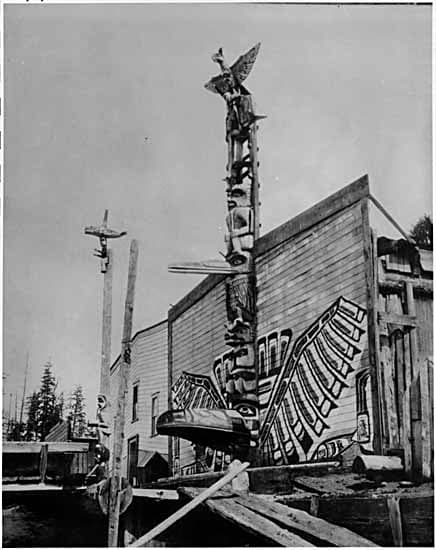
Klamath, Chinook, Tlingit, Quileute, Makah, Coast Salish — the peoples of the rain-soaked coast and inland plateaus.
3 entries
 Wikimedia Commons
SouthwestLiving tradition
Southwest — Navajo & Hopi
Navajo/Dine, Hopi, Zuni, Apache — the peoples of the desert Southwest and the Colorado Plateau.
6 entries
 Wikimedia Commons
MesoamericaLiving tradition
Aztec / Mexica
The Mexica empire of central Mexico — Tenochtitlan, the Templo Mayor, and the gods of the Fifth Sun.
5 entries
 Wikimedia Commons
MesoamericaLiving tradition
Maya
The Maya civilization of Yucatan, Guatemala, and Belize — from the Popol Vuh to the living Maya today.
5 entries
 Wikimedia Commons
United StatesLiving tradition
American Folklore
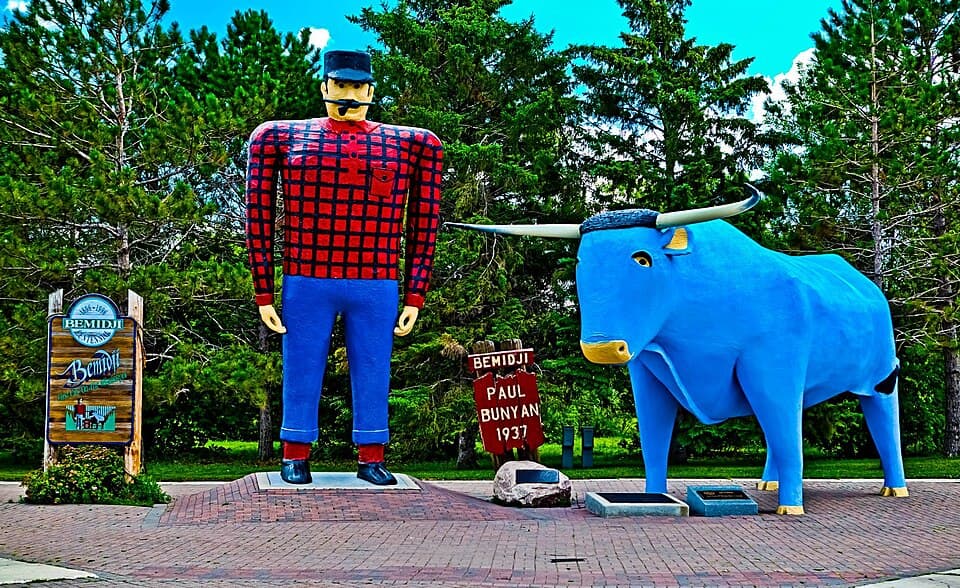
US regional myths, folk heroes, cryptids, and legendary places with deep cultural roots.
21 entries
 Wikimedia Commons
CanadaLiving tradition
Canadian Indigenous
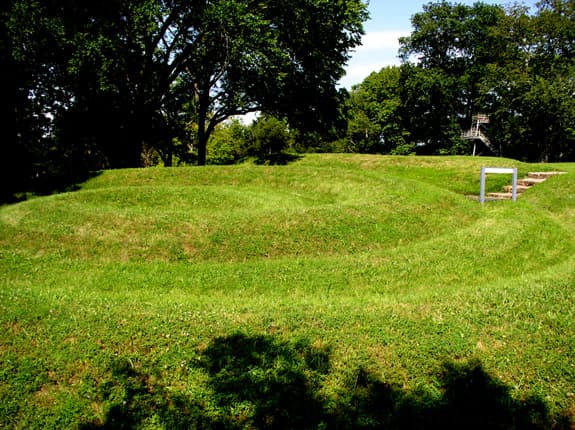
Haida, Cree, Inuit, Mi'kmaq — the First Nations and Indigenous peoples of Canada.
2 entries
 Wikimedia Commons
Great LakesLiving tradition
Great Lakes & Eastern Woodlands
Haudenosaunee/Iroquois, Ojibwe, Anishinaabe — the peoples of the Great Lakes forests and waterways.
3 entries
 Wikimedia Commons
Great PlainsLiving tradition
Plains Nations
Lakota, Blackfoot, Pawnee, Cheyenne — the peoples of the Great Plains and their sacred landscapes.
4 entries
 Wikimedia Commons
Hawaii / PacificLiving tradition
Hawaiian & Pacific
Native Hawaiian — the Polynesian people of the Hawaiian Islands and their living spiritual traditions.
1 entry
 Wikimedia Commons
SoutheastLiving tradition
Southeast Nations
Cherokee, Creek/Muscogee, Seminole — the peoples of the American Southeast and their enduring traditions.
1 entry
 Wikimedia Commons
Gulf CoastLiving tradition
Louisiana & Gulf Coast
Cajun, Creole, Choctaw — the culturally layered peoples of Louisiana and the Gulf Coast.
1 entry
 Wikimedia Commons
Egypt / North Africa
Ancient Egyptian
The civilization of the Nile — pharaohs, pyramids, and a mythology spanning 3,000 years from the Old Kingdom to the Ptolemaic period.
5 entries
 Wikimedia Commons
Greece / Mediterranean
Ancient Greek
The mythology of the Hellenic world — Olympian gods, heroes, oracles, and the landscapes that shaped Western storytelling.
8 entries
 Wikimedia Commons
Italy / Mediterranean
Roman
The mythology and sacred geography of Rome — from the founding legend of Romulus to the temples and shrines of the eternal city.
5 entries
 Wikimedia Commons
China / East AsiaLiving tradition
Chinese
The mythological traditions of China — from the creation myths of Pangu and Nuwa to the sacred mountains and dragon kings.
4 entries
 Wikimedia Commons
Japan / East AsiaLiving tradition
Japanese
Shinto and Buddhist mythology of Japan — kami, creation gods, sacred mountains, and the spirit-haunted landscapes of the archipelago.
6 entries
 Wikimedia Commons
Iraq / Middle East
Mesopotamian
Sumerian, Babylonian, and Assyrian mythology — the oldest written myths in human history, from the land between the rivers.
4 entries
 Wikimedia Commons
South AsiaLiving tradition
Hindu / Vedic
The mythological traditions of the Indian subcontinent — from the Rigveda and the Mahabharata to the living worship of Shiva, Vishnu, and Devi.
7 entries
 Wikimedia Commons
Western EuropeRevived tradition
Celtic / Irish
The mythology of the Celtic peoples — the Tuatha Dé Danann, the Fenian Cycle, and the sacred landscapes of Ireland and Britain.
5 entries
 Wikimedia Commons
ScandinaviaRevived tradition
Norse / Scandinavian
The mythology of the Viking Age and pre-Christian Scandinavia — Odin, Thor, Ragnarök, and the World Tree Yggdrasil.
7 entries
 Wikimedia Commons
West AfricaLiving tradition
Yoruba & West African
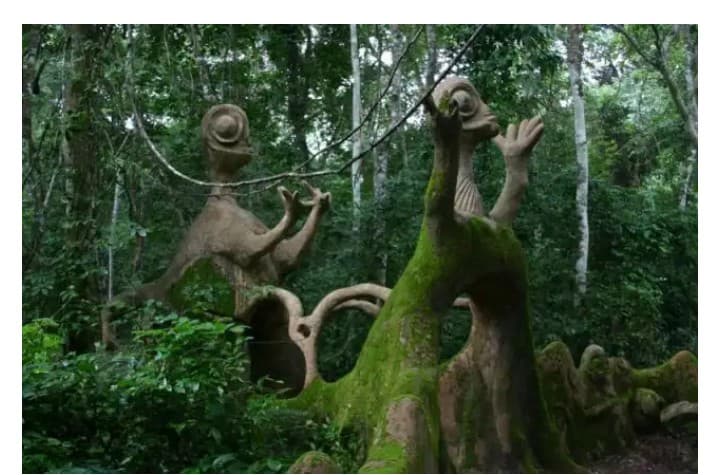
The Yoruba and broader West African spiritual traditions — the Orishas, Ifá divination, and the sacred groves of Nigeria, Benin, and Ghana.
4 entries
 Wikimedia Commons
Australia / OceaniaLiving tradition
Aboriginal Australian
The Dreaming traditions of Australia's Aboriginal peoples — the oldest continuous cultures on Earth, spanning over 65,000 years.
3 entries
 Wikimedia Commons
South AmericaLiving tradition
Andean / Inca
The mythology of the Inca Empire and the broader Andean civilizations — Inti the sun god, Pachamama, and the sacred peaks of the Andes.
4 entries
 Wikimedia Commons
Iran / Central AsiaLiving tradition
Persian / Zoroastrian
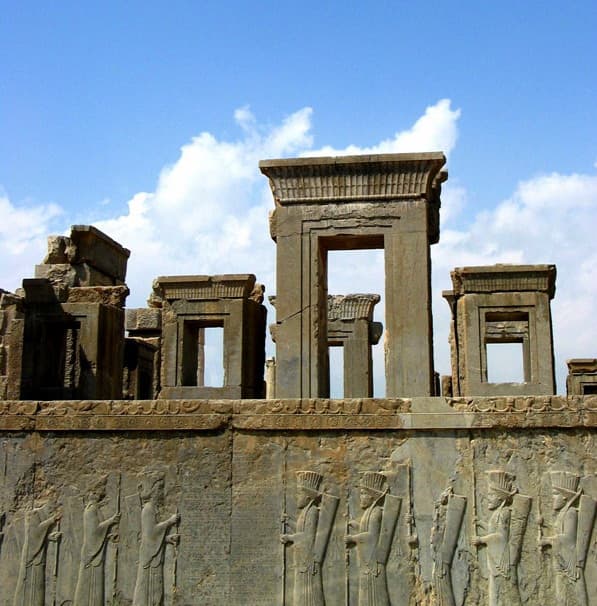
The mythology of ancient Persia and Zoroastrianism — Ahura Mazda, the eternal struggle of good and evil, and the Shahnameh.
3 entries
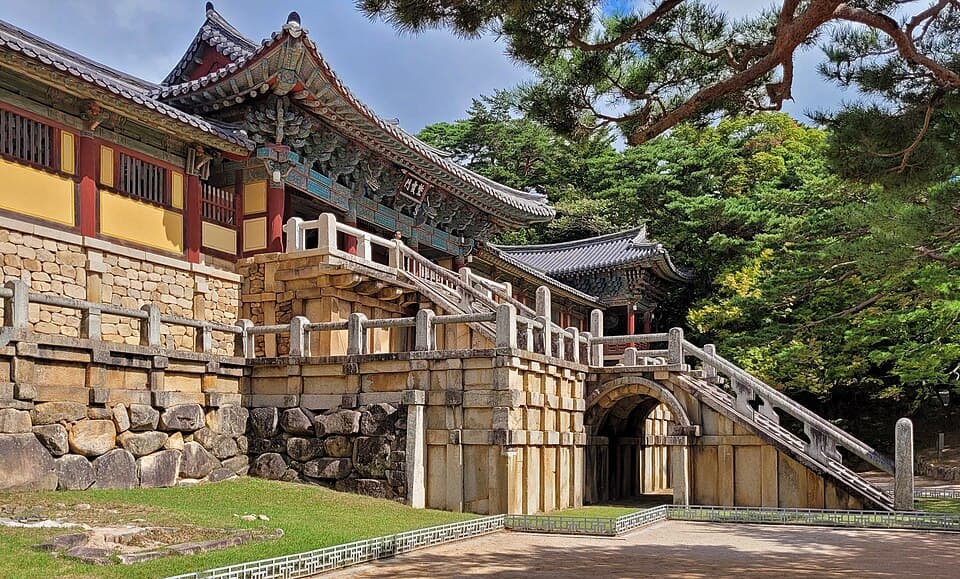 Wikimedia Commons
KoreaLiving tradition
Korean Shamanic
The shamanic and mythological traditions of Korea — mudang rituals, mountain spirits, and the founding myths of ancient kingdoms.
3 entries
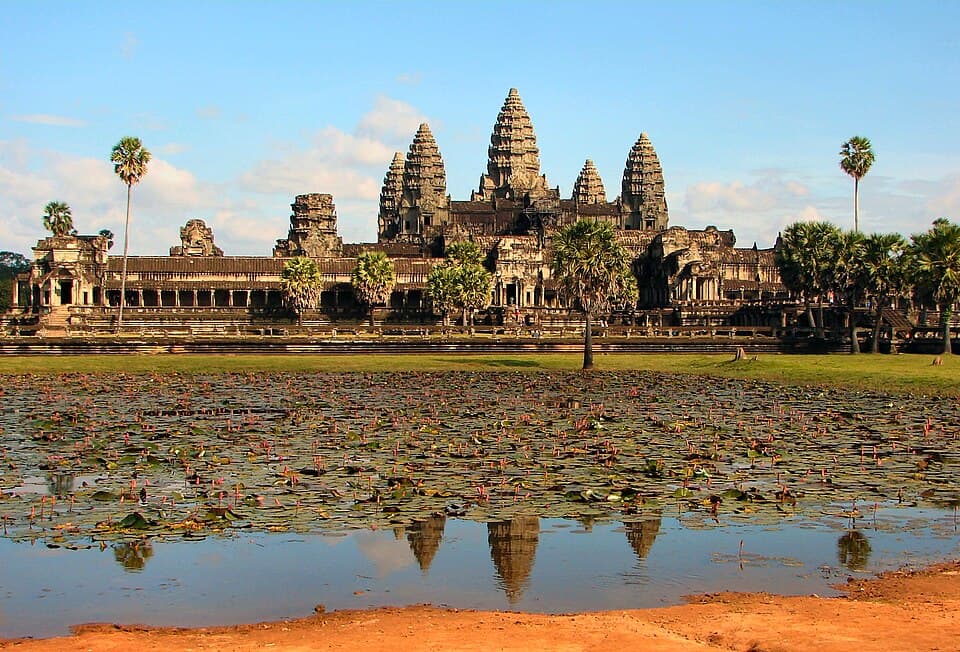 Wikimedia Commons
Southeast AsiaLiving tradition
Southeast Asian
The Hindu-Buddhist and animist traditions of mainland and maritime Southeast Asia — from the Khmer temples to the spirit houses of Thailand and the rice goddess of Bali.
5 entries
 Wikimedia Commons
West AfricaLiving tradition
West African (Ashanti / Dahomey / Igbo)
The mythological traditions of the Ashanti, Fon/Dahomey, and Igbo peoples — Anansi the spider, the Vodun spirits, the Alusi deities, and the sacred groves of Ghana, Benin, and Nigeria.
5 entries
 Wikimedia Commons
East AfricaLiving tradition
East African
The mythological and spiritual traditions of East Africa — the Maasai, Kikuyu, and Swahili peoples, the sacred peaks of Kilimanjaro and Mount Kenya, and the Great Rift Valley's origin stories.
5 entries
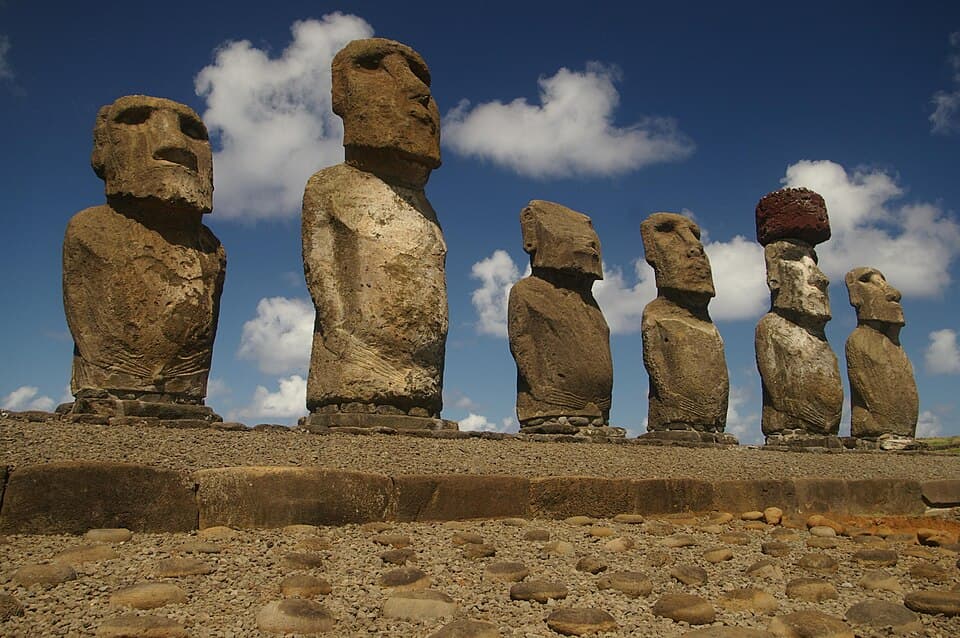 Wikimedia Commons
Pacific / OceaniaLiving tradition
Polynesian
The navigators' mythology — Maui the trickster, Pele the volcano goddess, the sacred marae platforms, and the oral traditions that guided the greatest ocean voyages in human history.
5 entries
 Wikimedia Commons
Eastern Europe
Slavic
The pre-Christian mythology of the Slavic peoples — Perun the thunder god, Veles the underworld lord, Baba Yaga, and the sacred groves and springs of Eastern Europe.
5 entries
 Wikimedia Commons
South AmericaLiving tradition
Amazonian
The indigenous mythologies of the Amazon Basin — the Yanomami, Kayapo, Shipibo, and Desana peoples, the jaguar shamans, ayahuasca visions, and the spirit-saturated rainforest.
6 entries
 Wikimedia Commons
British Isles
British Neolithic
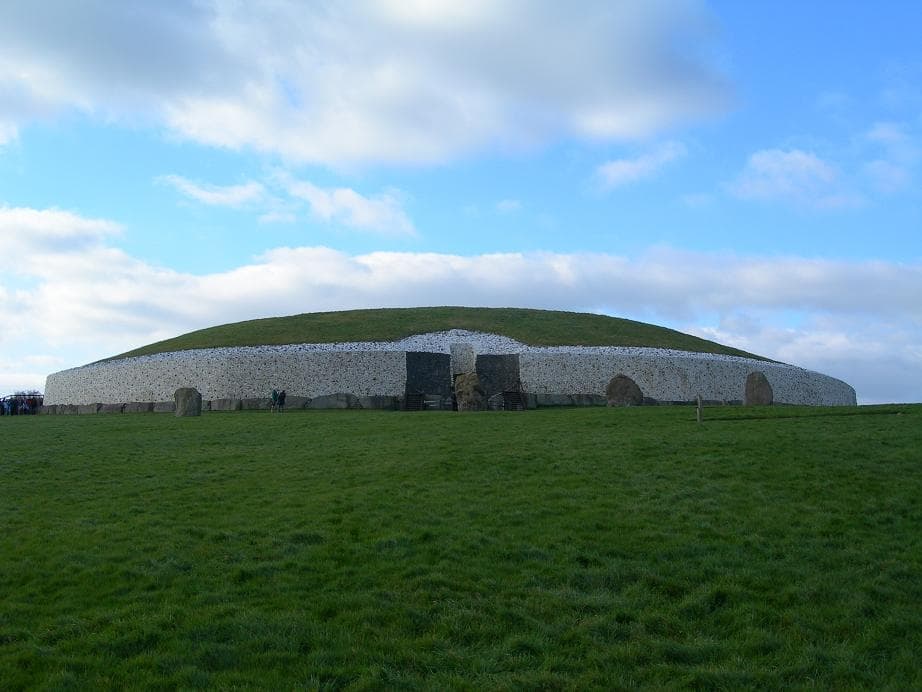
The megalith builders of the British Isles, creators of Stonehenge, Newgrange, and thousands of dolmens — a culture devoted to aligning stone with sky and earth.
2 entries
 Wikimedia Commons
Anatolia / Turkey
Anatolian Neolithic
The world's earliest settled communities and shrine builders, creators of Göbekli Tepe and Çatalhöyük — revolutionary transformations of human society.
2 entries
 Wikimedia Commons
Levant / GlobalLiving tradition
Abrahamic — Judaism
The holy sites of Judaism: the Jerusalem Temple, the Western Wall, the Caves of the Patriarchs — where the covenant between God and the Jewish people was established.
3 entries
 Wikimedia Commons
GlobalLiving tradition
Abrahamic — Christianity
Sacred sites of the Christian tradition: the Church of the Holy Sepulchre, Mount Golgotha, Bethlehem, Canterbury, and Santiago de Compostela.
4 entries
 Wikimedia Commons
GlobalLiving tradition
Abrahamic — Islam
The holy sites of Islam: Mecca, Medina, Jerusalem, and the sacred mosques where over 1.8 billion Muslims direct their prayers.
3 entries
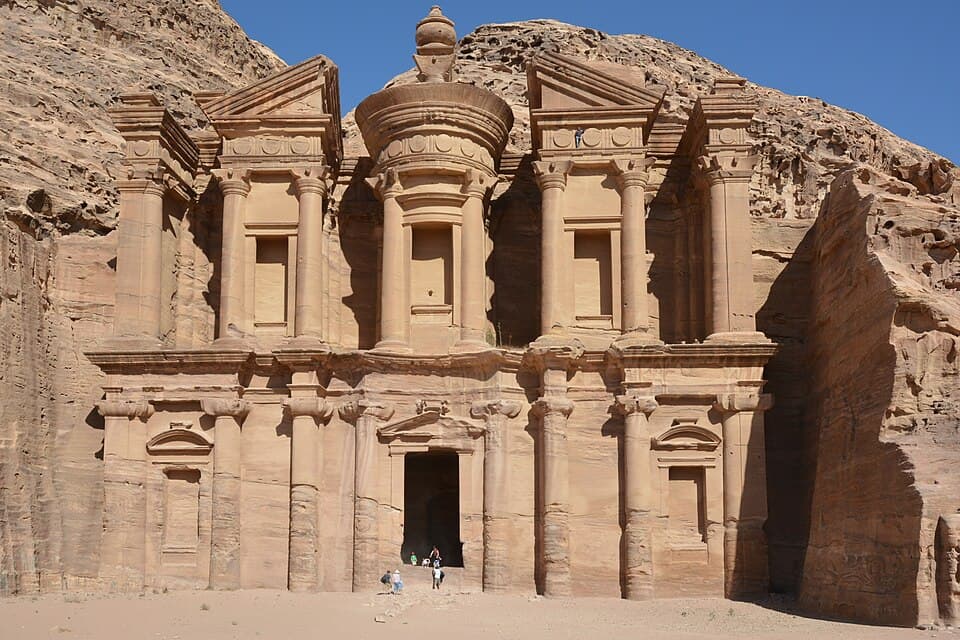 Wikimedia Commons
Jordan / Arabia
Nabataean
The rock-carving desert traders of Arabia, builders of Petra and masters of desert water engineering and long-distance trade networks.
1 entry
 Wikimedia Commons
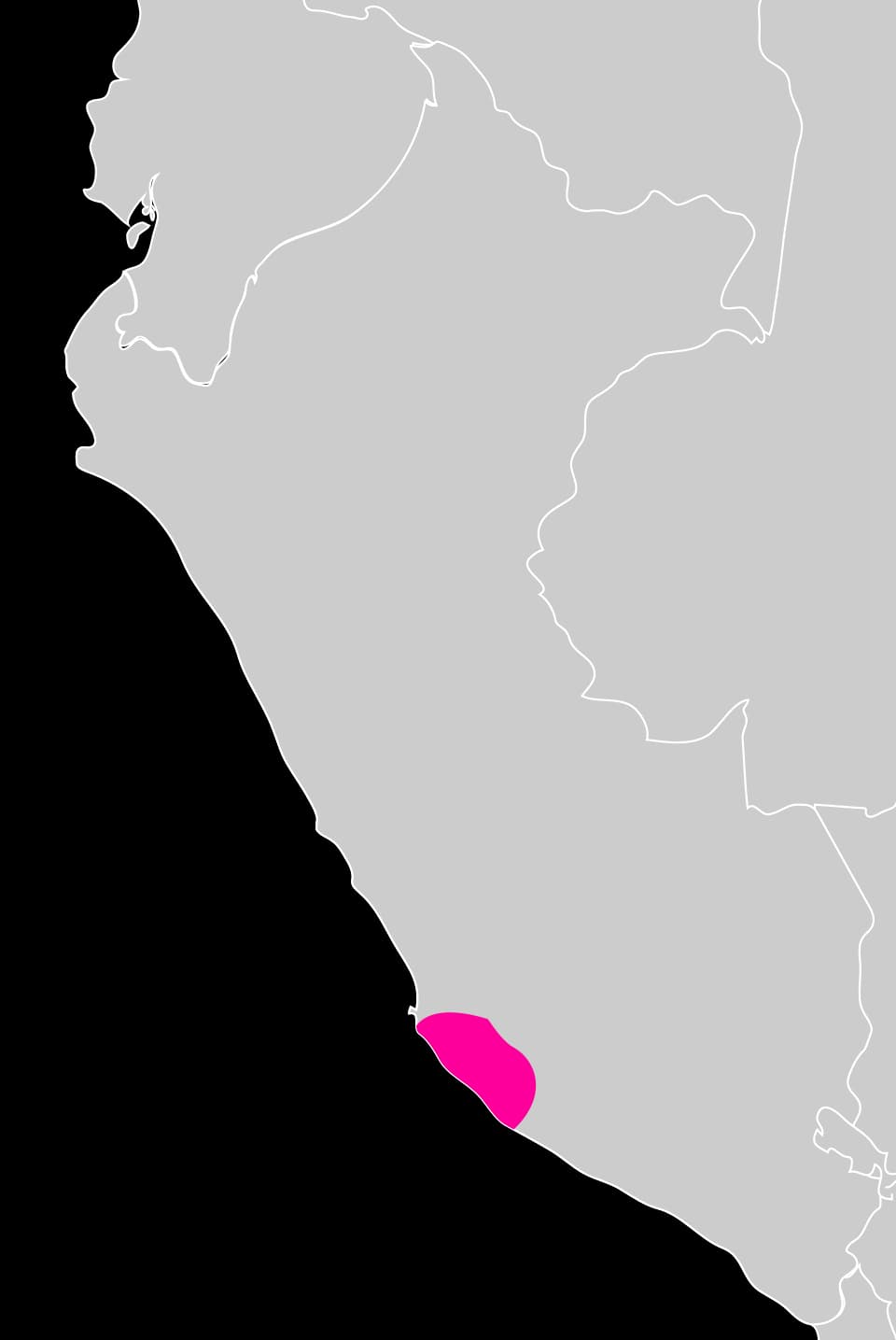
Southern Peru
Nazca
The geoglyph makers of Peru's southern coast, creators of massive figures — spider, hummingbird, whale, and condor — etched into the desert pampa.
1 entry
 Wikimedia Commons
ScotlandLiving tradition
Scottish / Celtic
The myths and folklore of Scotland: the Loch Ness Monster, selkies, kelpies, and the Celtic heritage of the Highlands and Islands.
2 entries
 Wikimedia Commons
Southern AfricaLiving tradition
Shona / Bantu
The peoples of Southern Africa: Shona, Zulu, Sotho, and Tswana traditions centered on ancestral veneration, the supreme creator Mwari, and Great Zimbabwe.
1 entry
 Wikimedia Commons
South & Southeast AsiaLiving tradition
Buddhist — Theravada
The older school of Buddhism, practiced in South and Southeast Asia, centered on individual enlightenment and the preserved Pali Canon.
4 entries
 Wikimedia Commons
British Isles
Arthurian Legend
The Matter of Britain: the legends of King Arthur, Merlin, the Knights of the Round Table, and the quest for the Holy Grail.
1 entry
 Wikimedia Commons
East Asia / TibetLiving tradition
Buddhist — Mahayana
The Great Vehicle tradition of Buddhism, emphasizing the bodhisattva path and enlightenment for all beings, practiced across East Asia, Tibet, China, Japan, Korea, and Vietnam.
1 entry
 Wikimedia Commons
Sri LankaLiving tradition
Sinhalese Buddhist
Sri Lanka's Theravada Buddhist tradition, preserving one of the world's oldest continuous Buddhist lineages since the 3rd century BCE, with the Pali Canon and ancient monastic orders intact.
1 entry
 Wikimedia Commons
BhutanLiving tradition
Bhutanese Buddhist
Vajrayana Buddhism in Bhutan, the 'Land of the Peaceful Dragon,' where Guru Rinpoche established tantric Buddhism in the 8th century and it remains the foundation of national identity and governance.
1 entry
 Wikimedia Commons
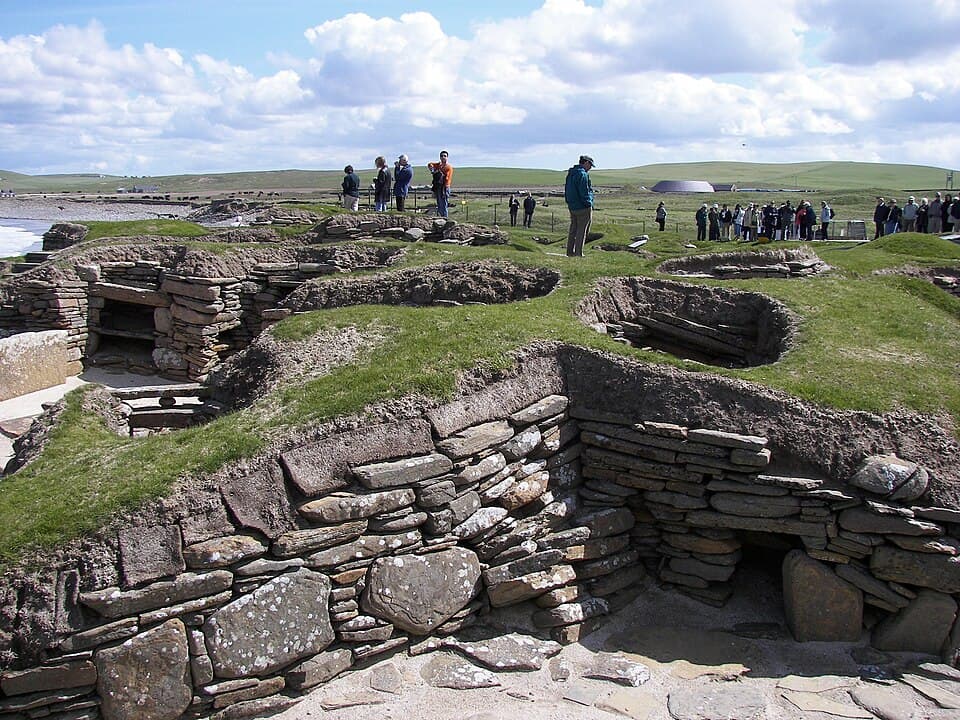
Orkney, Scotland
Neolithic Orkney
The remarkable Neolithic civilization of the Orkney Islands, builders of Skara Brae, the Ring of Brodgar, and Maeshowe — some of Europe's oldest and most sophisticated monuments.
2 entries
 Wikimedia Commons
Eastern Europe / MediterraneanLiving tradition
Eastern Orthodox
The faith and traditions of Eastern Orthodox Christianity, centered on sacred monasteries, icons, and the theological legacy of Byzantine and Slavic Christianity.
1 entry
 Wikimedia Commons
Brittany, France
Neolithic Breton
The megalithic builders of Brittany, creators of the Carnac Stones and the densest concentration of megaliths in the world — an extraordinary Neolithic civilization.
1 entry
 Wikimedia Commons
EthiopiaLiving tradition
Ethiopian Orthodox
The Ethiopian Orthodox Tewahedo Church — one of the oldest Christian traditions in the world, tracing its roots to the 4th century CE. Ethiopia claims descent from Solomon and Sheba, and the Church of Our Lady of Zion in Aksum claims to house the Ark of the Covenant.
1 entry
 Wikimedia Commons
West Africa / SahelLiving tradition
West African — Mali
The great medieval empires of Mali and their predecessors created Timbuktu, one of the world's great centers of Islamic learning. The Mali Empire controlled vast trade routes across the Sahara and Niger River, accumulating legendary wealth through gold and salt commerce.
1 entry
 Wikimedia Commons
Global
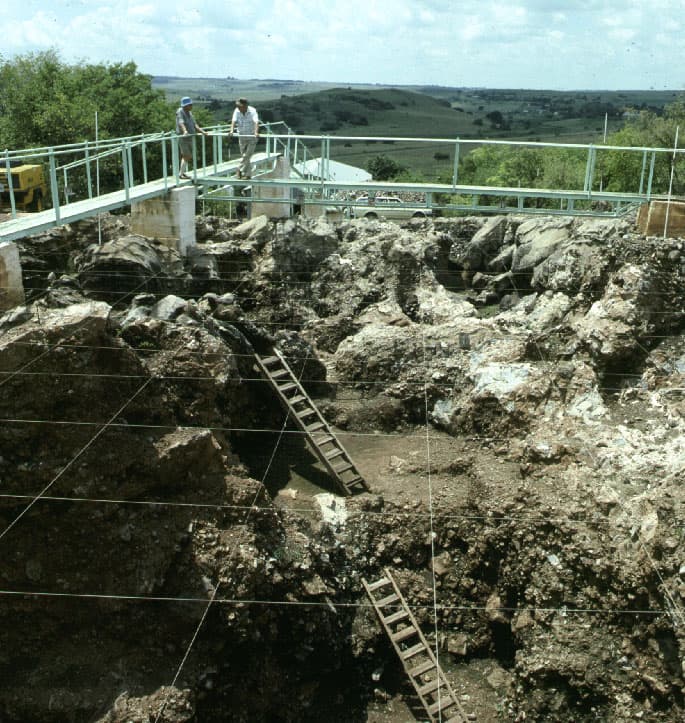
Pre-Human / Paleoanthropological
Sites of profound importance to understanding human origins and the deep evolutionary heritage of our species. Cradles of humankind where fossils reveal our ancestors' emergence.
1 entry
 Wikimedia Commons
North America
Archaic North American
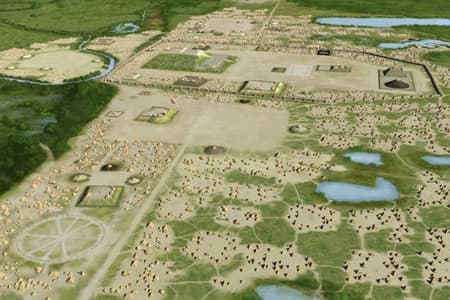
Pre-Woodland North American cultures of the Archaic period (c. 8000-1000 BCE) who built monumental earthworks and established sophisticated trade networks long before agriculture.
1 entry
 Wikimedia Commons
Anatolia / Southeast Europe
Byzantine / Ottoman
The civilizations that built Constantinople — first the Christian Roman Empire, then the Ottoman sultans who transformed it into Istanbul.
1 entry
 Wikimedia Commons
Southeast AsiaLiving tradition
Burmese Buddhist
The Theravada Buddhist civilization of Myanmar — the builders of Bagan, Mandalay, and the Shwedagon Pagoda.
1 entry
 Wikimedia Commons
South Asia
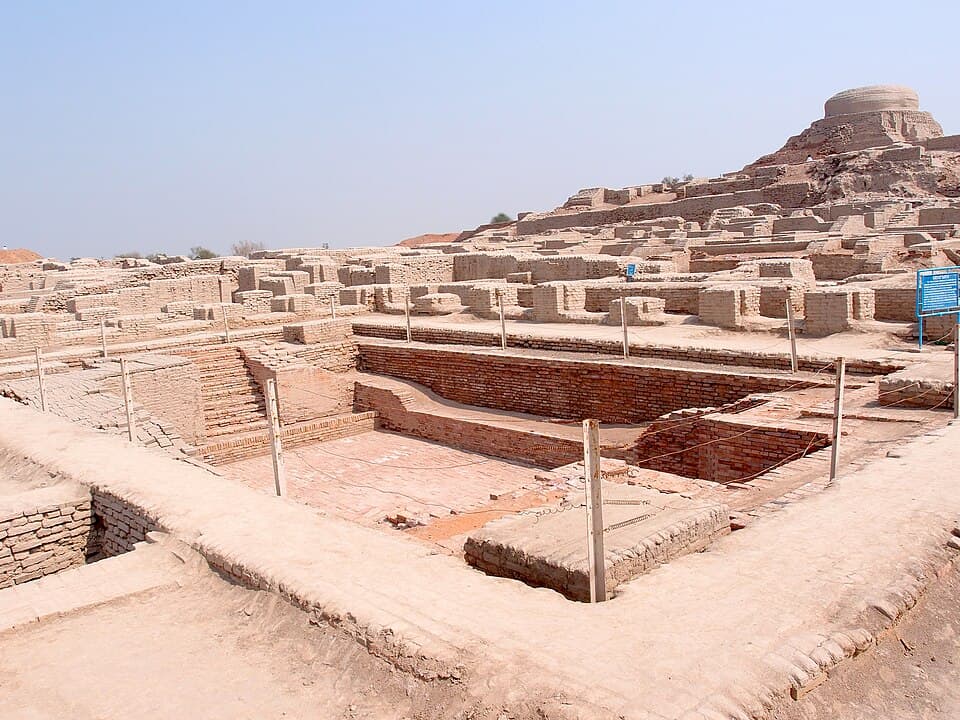
Indus Valley Civilization
The Bronze Age civilization of the Indus and Ghaggar-Hakra river systems — Mohenjo-daro, Harappa, Dholavira — whose script remains undeciphered.
1 entry
 Wikimedia Commons
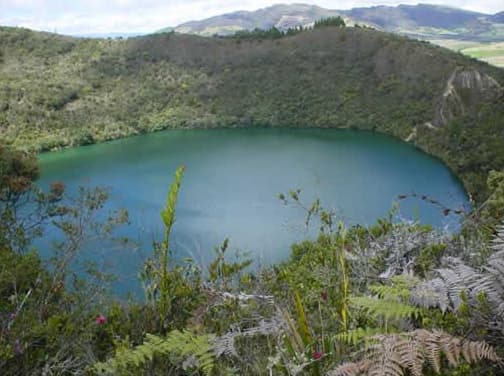
Colombian Andes
Muisca
The Chibcha-speaking goldsmith civilization of the Colombian Andes — the people whose sacred-lake investiture ritual gave the world the legend of El Dorado.
1 entry
 Wikimedia Commons
Mali / SahelLiving tradition
Dogon
The cliff-dwelling people of the Bandiagara Escarpment in Mali — keepers of an intricate cosmology of the creator Amma and the amphibious Nommo.
1 entry
 Wikimedia Commons
Western Tibet / HimalayaLiving tradition
Tibetan Buddhist, Bön, Hindu & Jain
The four living traditions that share Mount Kailash as the sacred axis of the world — Tibetan Buddhism, the indigenous Bön religion, Hinduism, and Jainism.
1 entry
 Wikimedia Commons
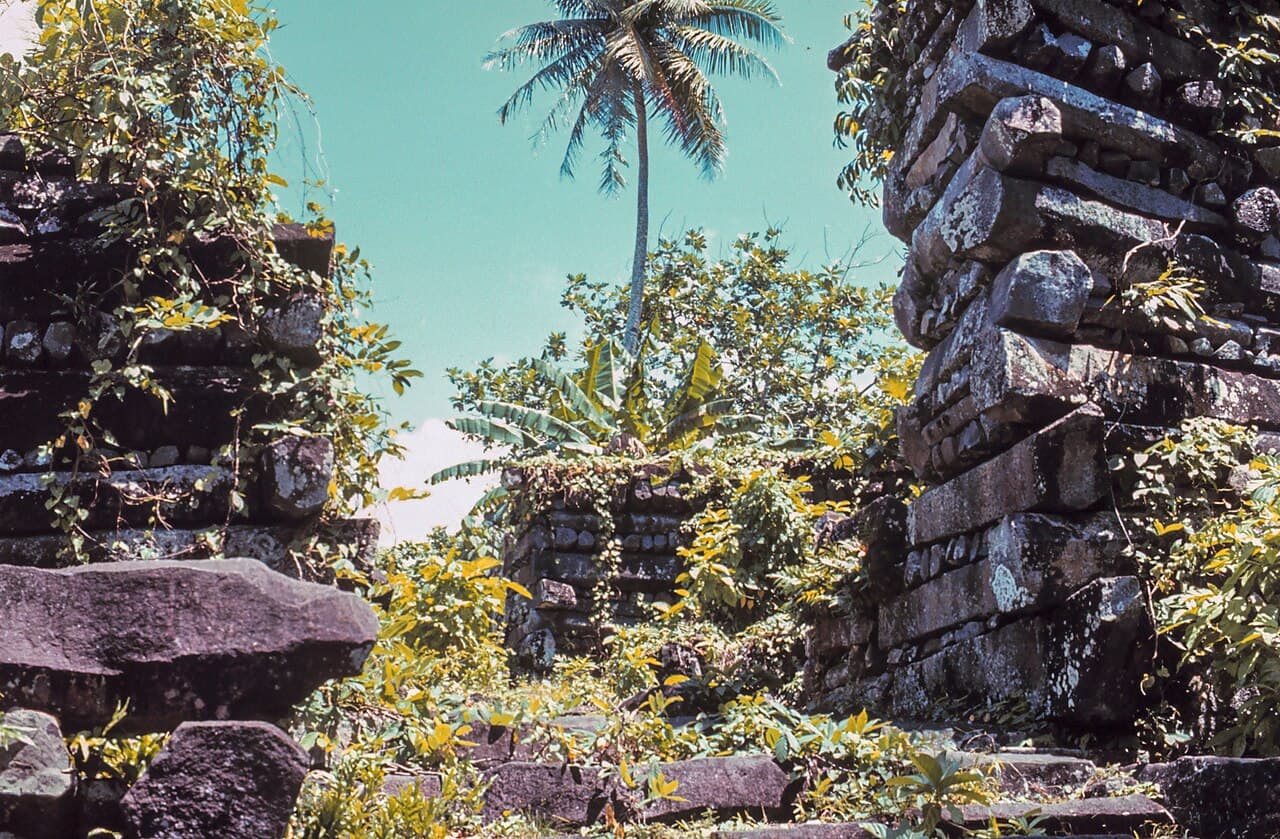
Micronesia / PacificLiving tradition
Pohnpeian
The people of Pohnpei in the Federated States of Micronesia — inheritors of the Saudeleur dynasty and keepers of the oral history of Nan Madol.
1 entry
 Wikimedia Commons
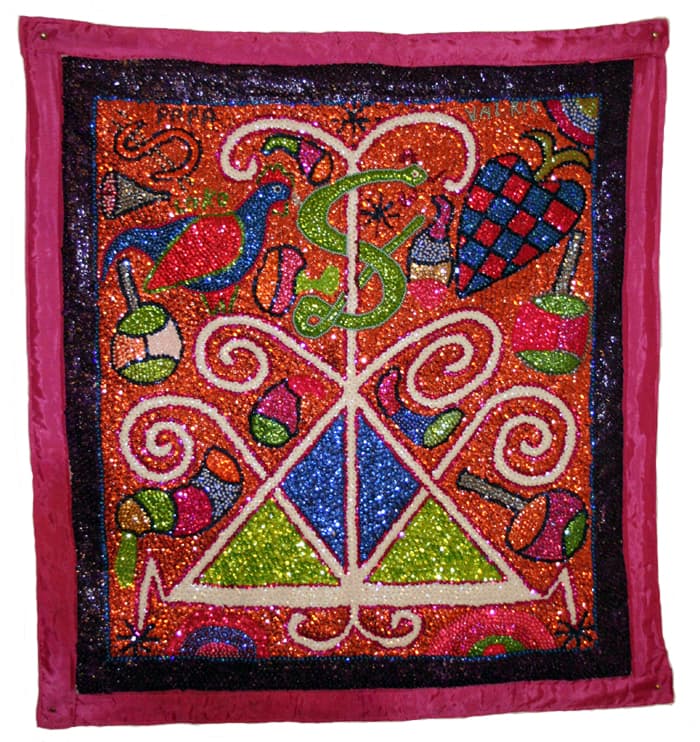
Haiti / CaribbeanLiving tradition
Haitian Vodou
The living religion forged by enslaved West and Central Africans in Saint-Domingue — a faith of the lwa, ancestral spirits, and ritual community whose ceremony helped ignite the Haitian Revolution.
1 entry
 Wikimedia Commons
Armenia / CaucasusLiving tradition
Armenian Apostolic
The Christianity of Armenia — the world's first state to adopt the faith — whose Oriental Orthodox church built rock-cut monasteries over older sacred springs.
1 entry
 Wikimedia Commons
Sahara / North Africa
Saharan
The peoples of the Sahara across ten thousand years — hunters, cattle herders, and later Amazigh travellers — who painted and carved the rock shelters of the central Sahara when the desert was green.
1 entry