 Wikimedia Commons
CultureWest AfricaLiving tradition
Yoruba & West African
The Yoruba and broader West African spiritual traditions — the Orishas, Ifá divination, and the sacred groves of Nigeria, Benin, and Ghana.
Yoruba mythology, originating among the Yoruba people of southwestern Nigeria, is one of the most influential spiritual systems in the world. The Orishas — Ogun (iron and war), Shango (thunder), Yemoja (motherhood and the sea), Oshun (love and rivers), Obatala (creation), and hundreds of others — are not distant gods but active spiritual forces that possess devotees, answer prayers, and shape daily life. The Ifá divination system, recognized by UNESCO as Intangible Cultural Heritage, is a sophisticated philosophical and divinatory tradition maintained by Babalawo priests. Through the Atlantic slave trade, Yoruba spiritual practices spread to the Americas, giving rise to Candomblé in Brazil, Santería in Cuba, and Vodou in Haiti. The sacred groves of Osun-Osogbo and the holy city of Ile-Ife remain pilgrimage centers for practitioners worldwide.
4 entries mapped
 Wikimedia Commons
Yoruba & West AfricanLiving tradition
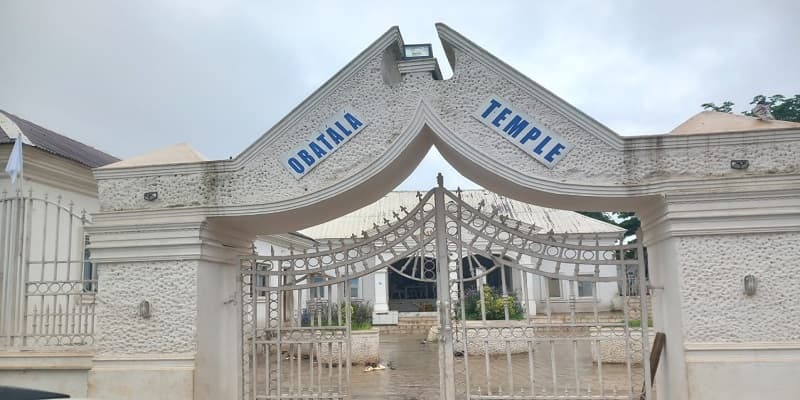
Ile-Ife — Sacred City of Creation
The holy city where the Yoruba believe the world was created — where Oduduwa descended from heaven on a chain and scattered sand upon the primordial waters
Ile-Ife, Osun State; Lagos (130 mi), Nigeria
 Wikimedia Commons
Yoruba & West AfricanLiving traditionUNESCO
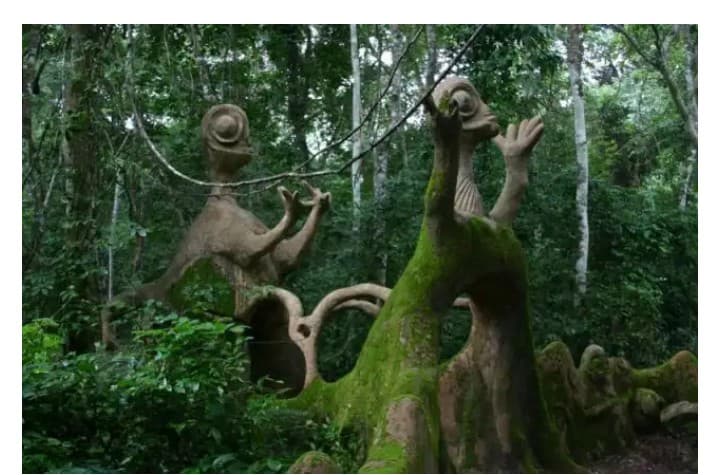
Osun-Osogbo Sacred Grove
The last remaining primary sacred grove in Yoruba culture — a dense forest along the Osun River where the goddess Oshun dwells and thousands gather annually for her festival
Osogbo, Osun State (within city limits); Lagos (155 mi), Nigeria
 Wikimedia Commons
Yoruba & West AfricanLiving tradition
Ouidah — Voodoo Spiritual Center
The Beninese coastal town that is the spiritual capital of West African Vodun — where the Python Temple houses living sacred serpents and the Door of No Return marks the final passage of enslaved people to the ships
Ouidah, Benin; Cotonou (25 mi), Benin
 Wikimedia Commons
Yoruba & West AfricanLiving tradition
Lake Bosumtwi — Sacred Lake of the Ashanti
The meteorite crater lake in Ghana where the Ashanti believe the souls of the dead come to bid farewell to the god Twi — and where only wooden planks, not boats, may touch the water
Kumasi, Ashanti Region (19 mi), Ghana