 Wikimedia Commons
CultureSouthern Peru
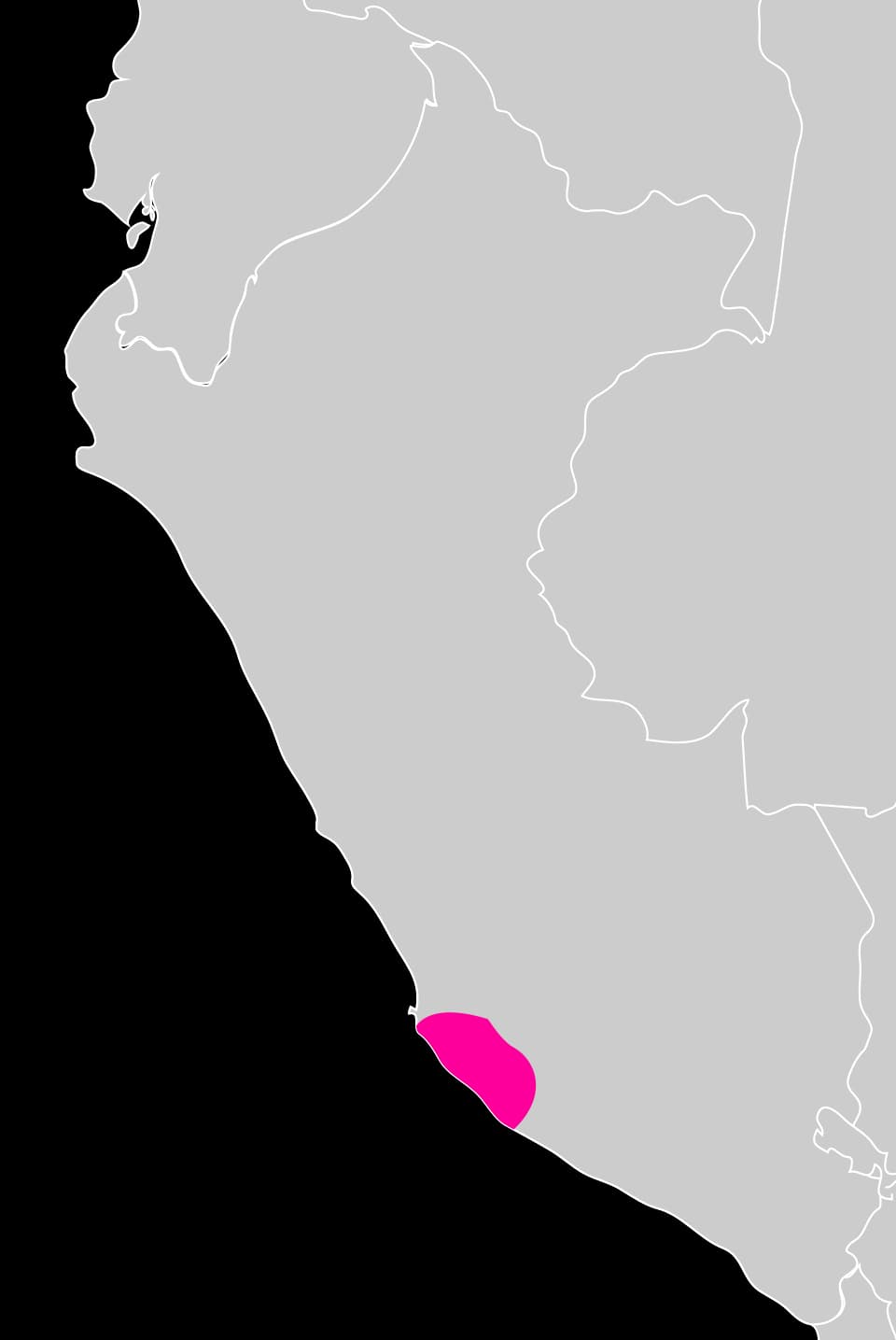
Nazca
The geoglyph makers of Peru's southern coast, creators of massive figures — spider, hummingbird, whale, and condor — etched into the desert pampa.
The Nazca culture (c. 500 BCE-500 CE) of Peru's southern desert created geoglyphs covering an area larger than Los Angeles. Hundreds of massive figures are etched into the pampa — including hummingbird, spider, monkey, whale, condor, and geometric trapezoids and spirals. Scholars have proposed several functions: astronomical calendars aligning to solstices and star positions, ritual pathways (ceques) for processions, and markers for underground water sources. The Nazca created the lines by removing darker surface stones to reveal lighter ground beneath — a straightforward technique executed at enormous scale with careful measurement. The lines have survived two millennia because of the region's hyper-arid climate. The Nazca also produced sophisticated polychrome pottery depicting mythological scenes and trophy heads. Researcher Maria Reiche devoted 50 years to mapping and preserving the geoglyphs, establishing their astronomical significance.
1 entry mapped