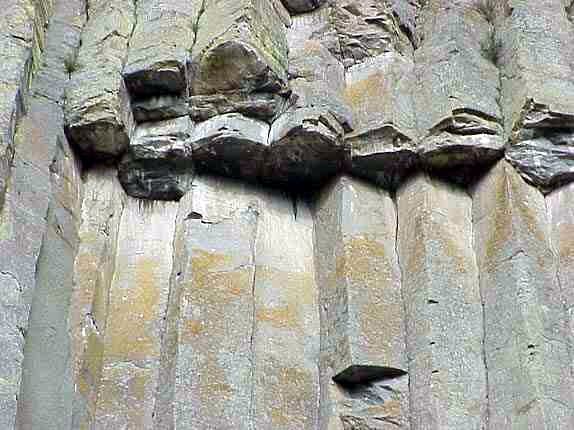
 Wikimedia Commons
CultureGreat PlainsLiving tradition
Plains Nations
Lakota, Blackfoot, Pawnee, Cheyenne — the peoples of the Great Plains and their sacred landscapes.
The Great Plains nations developed cultures deeply intertwined with the bison, the seasonal rhythms of grassland and sky, and a spiritual geography anchored to specific mountains, rivers, and rock formations. The Lakota concept of He Sapa (the Black Hills) as the heart of everything that is, the Blackfoot relationship to the Rocky Mountain front, the Pawnee star knowledge, and the Cheyenne migration narratives all reflect worldviews in which the land is not backdrop but protagonist. The Sun Dance, the vision quest, and the medicine wheel tradition remain living spiritual practices. The Plains Wars of the 19th century, the destruction of the bison herds, and forced relocation to reservations devastated these nations, but their cultures persist and are experiencing renewal.
4 entries mapped
 Wikimedia Commons
Plains NationsLiving tradition
Pipestone National Monument — Sacred Quarry
The red catlinite quarry considered sacred neutral ground by dozens of Plains and Woodlands nations for centuries
Pipestone, MN (Sioux Falls, SD 25 miles west), United States
 Wikimedia Commons
Plains NationsLiving tradition
Black Hills — He Sapa, Heart of Everything That Is
The Lakota sacred center — site of vision quests, creation narratives, and an unresolved sovereignty dispute
Rapid City, SD, United States
 Wikimedia Commons
Plains NationsLiving tradition
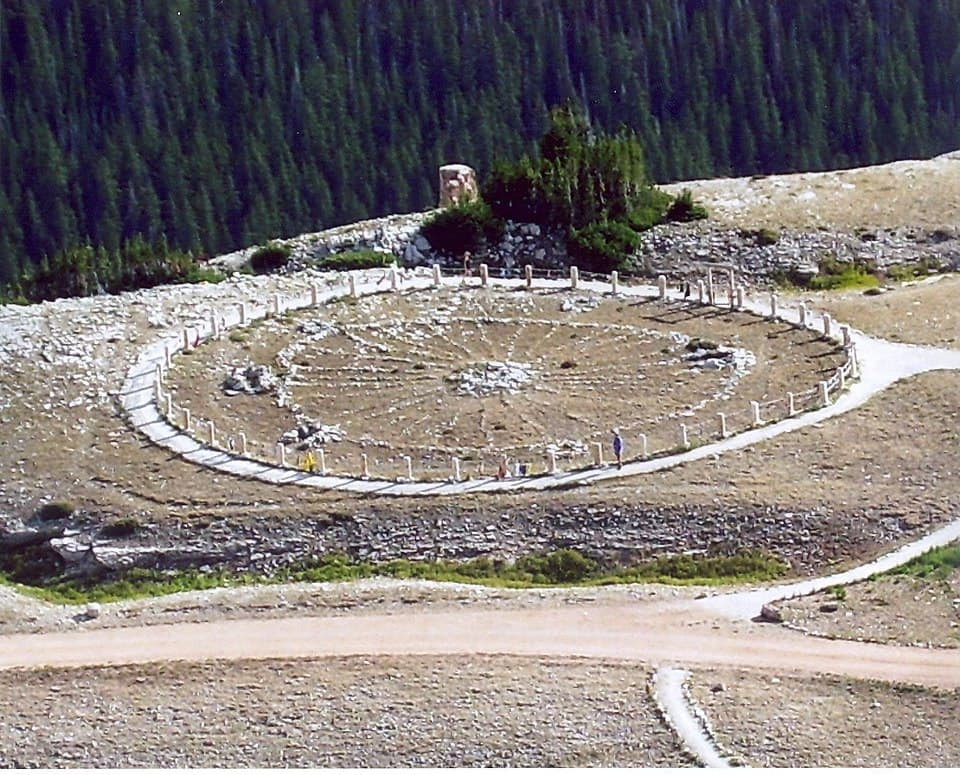
Medicine Wheel, Wyoming — Sacred Observatory
A stone circle at 9,642 feet aligned to the summer solstice sunrise, sacred to many Plains nations for centuries
Lovell, WY (Sheridan, WY 70 miles east), United States
 Wikimedia Commons
Plains NationsUNESCO
Yellowstone — Obsidian Cliff
A volcanic glass source traded across North America for 11,000+ years, with deep Shoshone, Crow, and Blackfeet spiritual connections
West Yellowstone, MT / Gardiner, MT, United States