 Wikimedia Commons
CultureGreat LakesLiving tradition
Great Lakes & Eastern Woodlands
Haudenosaunee/Iroquois, Ojibwe, Anishinaabe — the peoples of the Great Lakes forests and waterways.
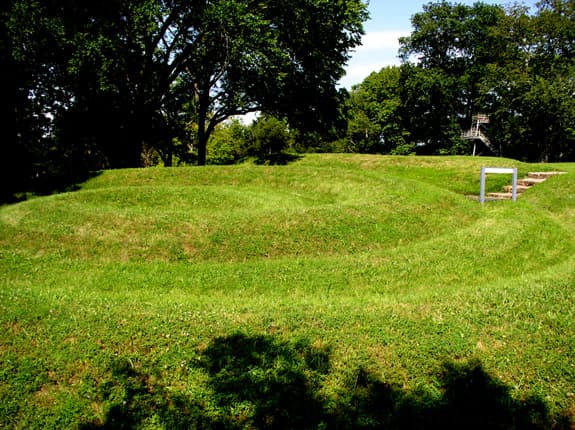
The Great Lakes region and Eastern Woodlands supported dense, complex societies for thousands of years before European contact. The Haudenosaunee (Iroquois) Confederacy — comprising the Mohawk, Oneida, Onondaga, Cayuga, Seneca, and later Tuscarora nations — developed one of the world's earliest democratic constitutions, the Great Law of Peace, which influenced the framers of the United States Constitution. The Ojibwe and broader Anishinaabe peoples maintained vast networks of trade, ceremony, and storytelling across the lakes and forests. The Midewiwin (Grand Medicine Society) preserved sacred knowledge through birch bark scrolls. Effigy mounds, sacred quarries, and vision quest sites mark this landscape as deeply ceremonial ground.
3 entries mapped
 Wikimedia Commons
Great Lakes & Eastern Woodlands
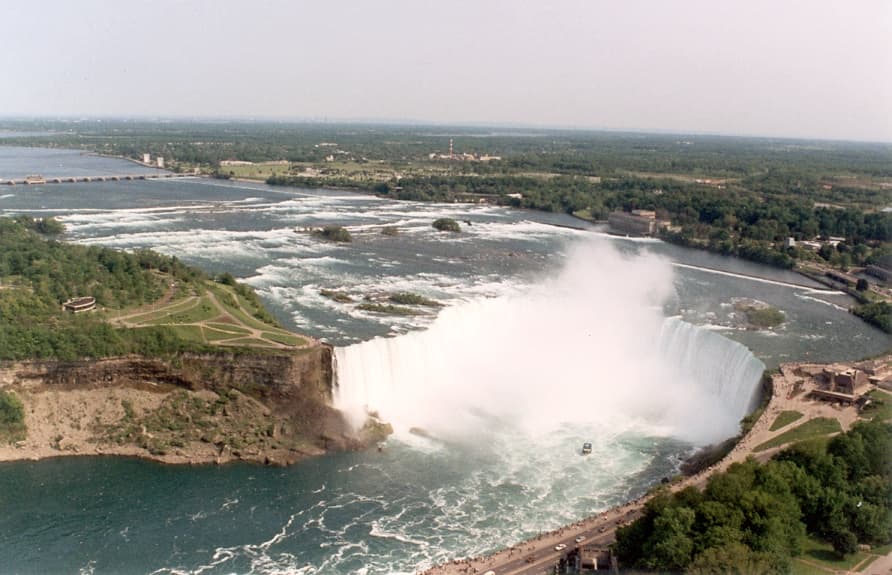
Niagara Falls — Maid of the Mist
The great cataract where Haudenosaunee traditions tell of Lelawala and the Thunder Beings who dwell behind the falling water
Niagara Falls, ON / Niagara Falls, NY, Canada
 Wikimedia Commons
Great Lakes & Eastern Woodlands
Effigy Mounds, Iowa — Sacred Earthworks
Bird and bear mounds built by Woodland peoples 1,400+ years ago along the bluffs of the Upper Mississippi
Marquette, IA (Prairie du Chien, WI across the river), United States
 Wikimedia Commons
Great Lakes & Eastern Woodlands
Sleeping Bear Dunes — Manitou Islands
The Ojibwe legend of a mother bear waiting for her drowned cubs — turned to sand and stone by the Great Spirit Manitou
Traverse City, MI (25 miles east), United States