Wikimedia Commons
CultureSri LankaLiving tradition
Sinhalese Buddhist
Sri Lanka's Theravada Buddhist tradition, preserving one of the world's oldest continuous Buddhist lineages since the 3rd century BCE, with the Pali Canon and ancient monastic orders intact.
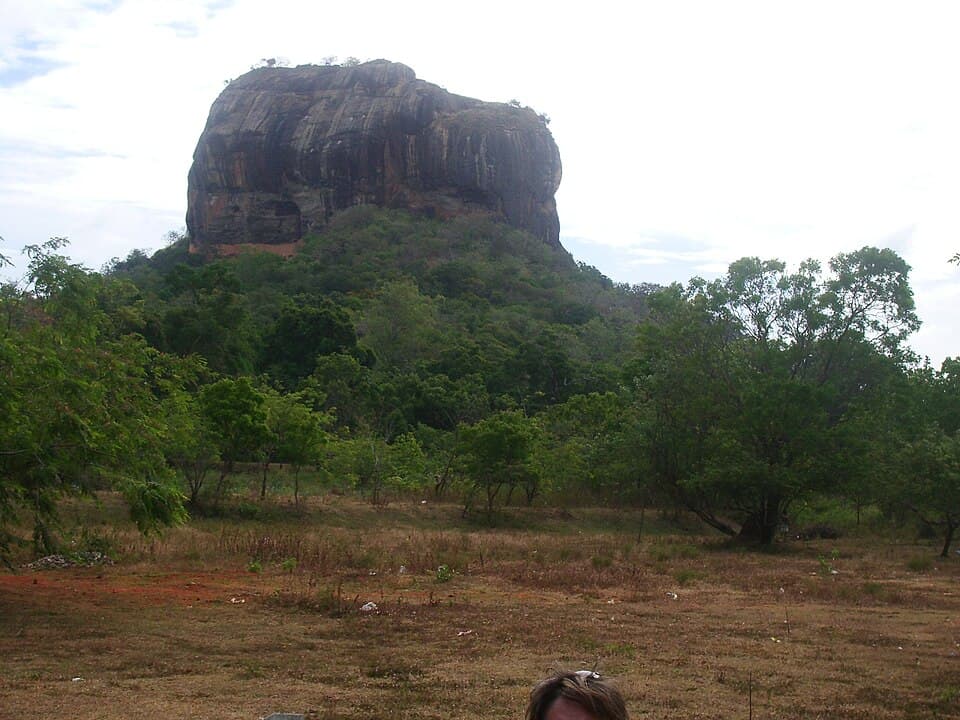
Sri Lanka is home to the Theravada school of Buddhism, often called the 'Way of the Elders,' the oldest and most conservative form of Buddhism still in practice. According to tradition, the Buddha's tooth relic was brought to Sri Lanka in 371 BCE by Prince Ashoka's son Mahinda, establishing a sacred connection that endures today. The Pali Canon — the earliest written Buddhist scriptures, preserved in the Pali language — was compiled and maintained by Sri Lankan monks and remains the authoritative text for Theravada Buddhism across South and Southeast Asia. Sri Lanka has never been conquered by another religion or lost its Buddhist majority status — a unique achievement among Buddhist nations. The country's kings were understood as dharma-rajas (righteous rulers) protecting the sangha (monastic community). Sacred sites including the Temple of the Tooth in Kandy and Sigiriya Rock remain pilgrimage destinations. Sri Lankan Buddhism is living and vibrant, with approximately 70% of the population practicing Theravada Buddhism.
1 entry mapped