 Wikimedia Commons
CultureHaiti / CaribbeanLiving tradition
Haitian Vodou
The living religion forged by enslaved West and Central Africans in Saint-Domingue — a faith of the lwa, ancestral spirits, and ritual community whose ceremony helped ignite the Haitian Revolution.
Haitian Vodou is a living religion practiced by millions of people in Haiti and its diaspora. It was forged in the crucible of Atlantic slavery, when peoples carried in chains from the kingdoms of Dahomey (Fon and Ewe), Kongo, Yorubaland, and beyond were thrown together on the plantations of French Saint-Domingue. Out of their distinct traditions — and under relentless suppression and forced Catholic conversion — they wove a coherent new faith.
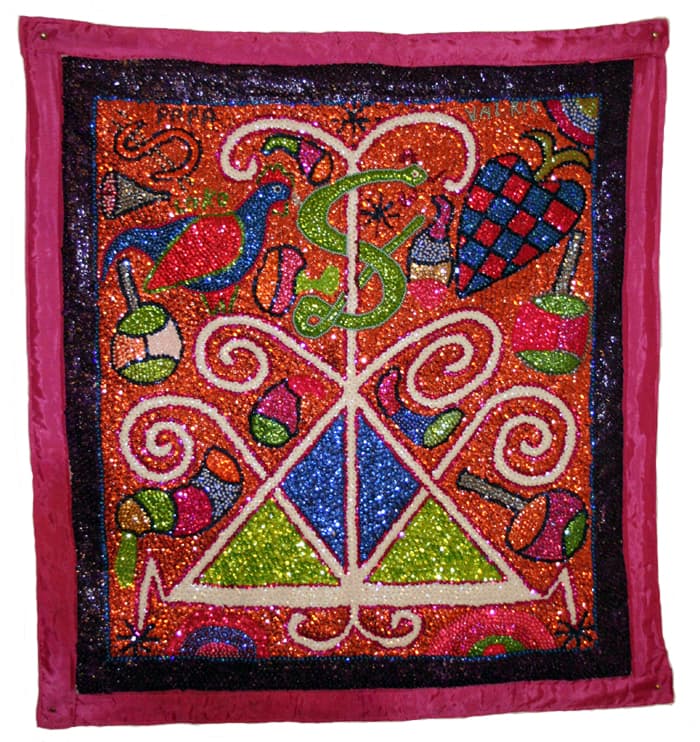
At the center of Vodou are the lwa: spirits who serve as intermediaries between humanity and Bondye, the distant supreme creator. The lwa are organized into nations (nanchon), chiefly the Rada (cool, ancestral, drawn largely from Dahomean tradition) and the Petwo (hot, fierce, born in the New World of the violence of slavery). Practitioners honor them through drumming, song, dance, and offerings; in ceremony a lwa may 'mount' a devotee, speaking and acting through the body of the possessed. Ritual life is led by priests and priestesses — houngan and manbo — within the temple community of the ounfò.
The directory follows the protocol for African diaspora religions: Vodou is presented as a legitimate living faith, never as 'voodoo,' sorcery, or an occult curiosity. The lwa are spirits, not demons. The specific origins matter — Fon, Kongolese, Yoruba and others are distinct strands, not an undifferentiated mass. Inner ceremonial knowledge, initiation, and restricted ritual are not detailed here; this is not the place for them, and they are not ours to share.
Vodou's defining historical moment is the ceremony at Bois Caïman in August 1791, widely held to have sealed the oath that launched the Haitian Revolution — the only successful large-scale slave revolt in history and the founding event of the first Black republic. That a religion of the enslaved helped end slavery on the island is central to how its practitioners understand it today. Vodou has been demonized for two centuries precisely because of what it accomplished.
1 entry mapped